
Bible Verses for Mother's Day: 12 Scriptures to Honor Her
12 bible verses for Mother's Day with the history and original language — not generic sentiments, but the real weight Scripture places on mothers and the women who shaped Israel.
Contents
Mother’s Day cards tend toward softness — pastel colors, gentle sentiments, safe warmth. But the mothers in the Bible were anything but safe. Jochebed placed her infant son in a basket on the Nile, gambling his life against Pharaoh’s genocide. Hannah gave her only child to the temple, walking away from the answer to her longest prayer. Mary said yes to a pregnancy that could have gotten her stoned under Jewish law. Ruth crossed a national border with nothing and built a family from scratch. The Bible’s mothers are fierce, sacrificial, strategic, and brave — and the verses about them carry that same weight.
The Proverbs 31 Woman — What It Actually Says
Proverbs 31:25-26
“She is clothed with strength and dignity; she can laugh at the days to come. She speaks with wisdom, and faithful instruction is on her tongue.”
The Proverbs 31 passage gets quoted constantly on Mother’s Day, usually reduced to a checklist of domestic virtues. But the Hebrew tells a different story. “Clothed with strength” — oz vehadar levushah — uses the same word for strength (oz) used elsewhere for God’s strength. And “laugh at the days to come” — tischaq leyom acharon — describes confidence about the future. Not because she’s naive. Because she’s prepared. This woman runs a household, manages investments, and provides for employees. The poem isn’t about being nice. It’s about competence and courage.
Proverbs 31:28-29
“Her children arise and call her blessed; her husband also, and he praises her: ‘Many women do noble things, but you surpass them all.’”
“Call her blessed” — ashreiha — means to declare fortunate, honored. The children initiate. They rise and declare what their mother is. Not because she asked. Because they saw. And the husband’s statement — “you surpass them all” — isn’t comparative as in “better than other women.” It’s a recognition that what she does defies comparison. The Hebrew alith al kulanah means “you’ve risen above everyone.” For a mother who loves through Scripture, that pillar article traces what biblical love looks like in practice.
Proverbs 31:30
“Charm is deceptive, and beauty is fleeting; but a woman who fears the Lord is to be praised.”
The poem’s conclusion — and the interpretive key. Yirat Adonai — “fear of the Lord” — means reverence, awe, the orientation of a life toward God. Everything before this verse describes what the woman does. This verse explains why. The foundation isn’t productivity. It’s devotion. And “is to be praised” — hi tithalal — uses the reflexive form. She praises herself, or she is praised by her own works. Her life speaks.
Mothers in Action
Isaiah 66:13
“As a mother comforts her child, so will I comfort you; and you will be comforted over Jerusalem.”
God comparing his own comfort to a mother’s. The Hebrew nacham — “comfort” — means to soothe, to console, to breathe relief into someone’s distress. And God uses a mother — not a king, not a warrior, not a priest — as the analogy for how he comforts. That’s not incidental. It means God saw in maternal comfort something that uniquely represented his own character. The image is intimate: holding close, absorbing the fear, being the place where it’s safe to fall apart.
Psalm 139:13-14
“For you created my inmost being; you knit me together in my mother’s womb. I praise you because I am fearfully and wonderfully made.”
David acknowledging the womb as sacred ground. “Knit me together” — sakak — means to weave, to interlace. The image is craftsmanship, not accident. And “in my mother’s womb” places the creative work inside a specific human body. God’s creative act and a mother’s body cooperated. The verse elevates pregnancy from biological process to divine partnership.
Exodus 2:3
“But when she could hide him no longer, she got a papyrus basket for him and coated it with tar and pitch. Then she placed the child in it and put it among the reeds along the bank of the Nile.”
Jochebed — Moses’ mother — hiding her infant for three months under an infanticide decree, then placing him in a waterproofed basket on the Nile. Not abandonment. Strategy. She positioned the basket where Pharaoh’s daughter bathed (Exodus 2:5). She stationed Moses’ sister Miriam to watch. When the princess found the baby, Miriam offered to find “a Hebrew woman” to nurse him — and brought his own mother. Jochebed got paid by the Egyptian court to raise her own son. That’s not submission to fate. That’s a mother outmaneuvering an empire.
Recommended Resources
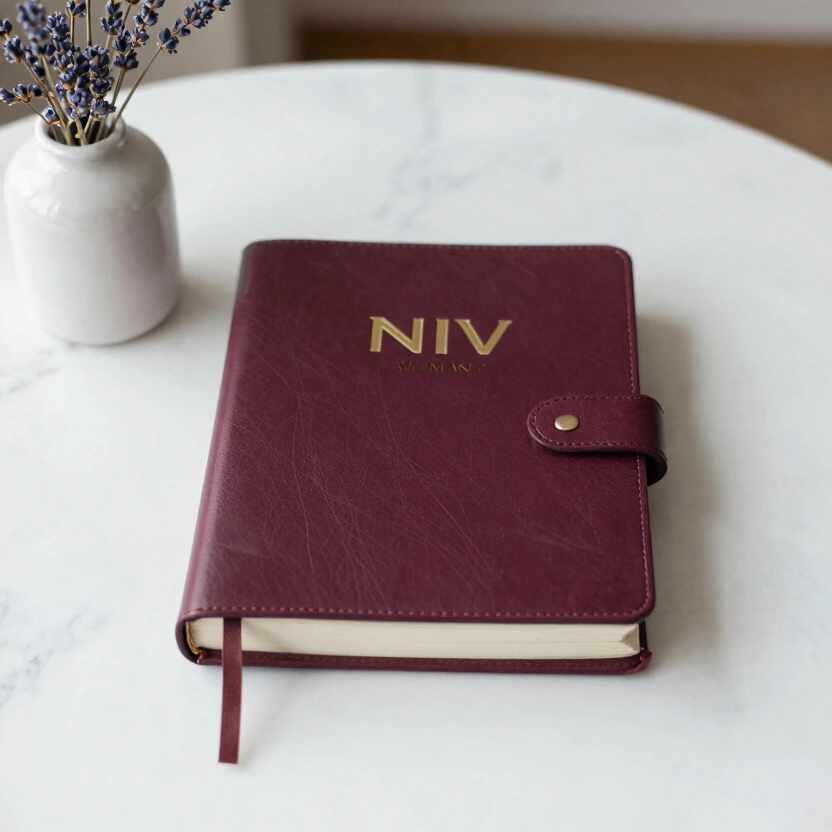
NIV The Woman's Study Bible
Study Bible designed for women with character profiles, topical articles, and devotional insights.
Check Price on AmazonAs an affiliate, we earn on qualifying purchases.

All Things Work Together for Good Romans 8:28 Framed Wall Art
Large framed canvas featuring Romans 8:28 'All Things Work Together for Good' in modern typography.
Check Price on AmazonAs an affiliate, we earn on qualifying purchases.
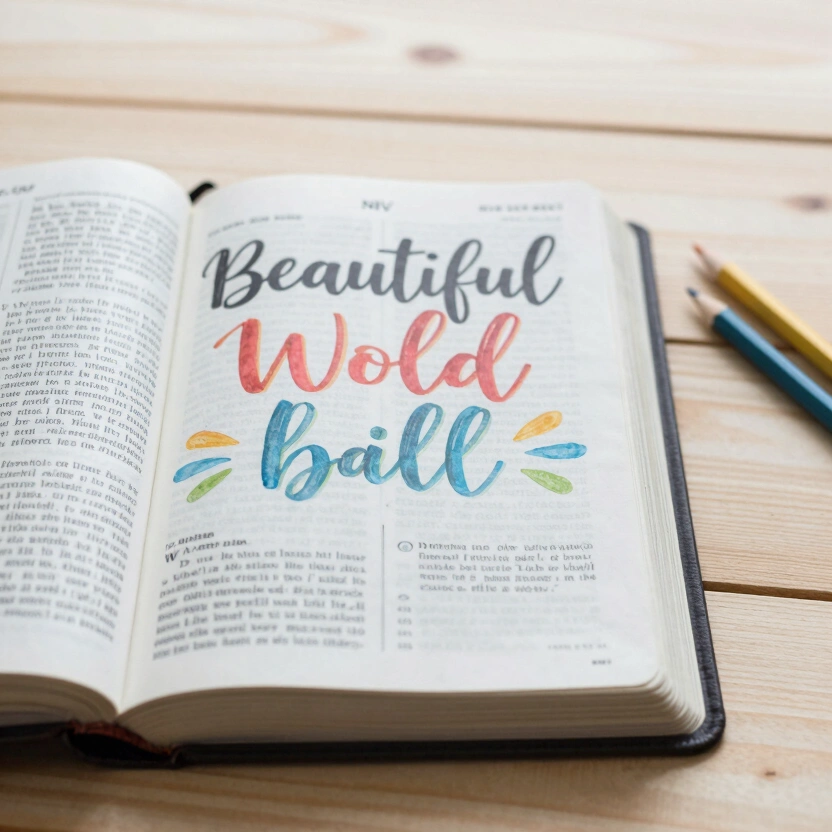
NIV Beautiful Word Bible
Full-color illustrated Bible with 500+ hand-lettered verses for creative journaling and reflection.
Check Price on AmazonAs an affiliate, we earn on qualifying purchases.

Verses for Cards and Gifts
3 John 1:4
“I have no greater joy than to hear that my children are walking in the truth.”
The apostle John — writing about spiritual children, but the sentiment crosses into biological motherhood seamlessly. “No greater joy” — meizoteran touton ouk echo charan. The emphasis is on the superlative: there is nothing that produces more joy than this. For a mother who prayed over her children, who read them Scripture, who modeled faith — hearing that it stuck is the ultimate return.
Proverbs 22:6
“Start children off on the way they should go, and even when they are old they will not turn from it.”
“Start off” — chanok — means to dedicate, to initiate, to begin the formation. The Hebrew carries the sense of inaugurating something new — the way a building is dedicated before use. Parents inaugurate a child’s moral direction. “Even when they are old” — gam ki yazqin — even in aging, even after decades. The verse isn’t a guarantee that children never rebel. It’s an observation that early formation runs deep. The foundation shows up late.
Philippians 1:3
“I thank my God every time I remember you.”
Paul writing to the church at Philippi — his favorite community. But the words fit a child’s gratitude toward a mother perfectly. “Every time I remember you” — epi pase te mneia humon — at every recollection, with every memory. Not “I remember you sometimes.” Every time. Some Bible verses work because of their original context. This one works because of its emotional transparency.
1 Samuel 1:27-28
“I prayed for this child, and the Lord has granted me what I asked of him. So now I give him to the Lord. For his whole life he will be given over to the Lord.”
Hannah — who prayed for a son through years of infertility, then gave him back to God. She brought young Samuel to the temple and released him. Not because she didn’t love him. Because she loved the One who gave him more. Hannah’s prayer is one of the most costly acts of motherhood in Scripture: receiving the thing you prayed for and offering it back.
The Bible’s picture of motherhood is nothing like a greeting card. It’s fierce. It’s strategic. It’s sacrificial in ways that cost real things — safety, comfort, proximity to your own children. The mothers in these verses didn’t have easy lives. They had purposeful ones. And the verses themselves carry that same weight: not sentimental but specific, not generic but personal.
For short verses that fit on a card or gift, the pillar article has options sized for writing by hand. And if Mother’s Day carries grief this year — if you’ve lost your mother or are navigating a complicated relationship — Bible verses about comfort speaks to that weight directly.

Related Articles
Frequently Asked Questions
What is the best Bible verse for Mother’s Day?
Proverbs 31:25 — “She is clothed with strength and dignity” — is the most widely used. Isaiah 66:13 is the most intimate — God comparing his comfort to a mother’s. 3 John 1:4 — “I have no greater joy than to hear that my children are walking in the truth” — works well for a card from a child to a mother. The best choice depends on whether you’re honoring her strength, her tenderness, or her faith.
What does Proverbs 31 really say about mothers?
Proverbs 31:10-31 describes a woman of competence, strategy, generosity, and faith — not a passive homemaker. She manages investments (31:16), provides for employees (31:15), speaks with wisdom (31:26), and “laughs at the days to come” (31:25) because she’s prepared for them. The poem’s foundation is verse 30: “a woman who fears the Lord is to be praised.” Her productivity flows from devotion, not the reverse.
Are there Bible verses about a mother’s love?
Isaiah 49:15 asks: “Can a mother forget the baby at her breast?” and answers that even if she could, God won’t forget you. Isaiah 66:13 compares God’s comfort directly to maternal comfort. 1 Kings 3:26 shows a mother willing to give up her child to save his life (the judgment of Solomon). These verses present maternal love as one of the strongest human forces — so strong that God uses it as a metaphor for his own.
Related Articles

Bible Verses About Wisdom: 14 Scriptures for Life's Hardest Decisions
14 bible verses about wisdom with the history and original language — from a king who asked for it, a father who taught it, and a God who gives it without conditions.

Bible Verses About Love: 18 Scriptures With Context and Meaning
These 18 Bible verses about love come with the context, history, and meaning behind each one — so the words actually reach you where you are.

Bible Verses About Comfort When You Need It Most
15 bible verses about comfort with the history and original language behind each one — written by people who needed comfort as badly as you do right now.