
Bible Verses for Anxiety: 17 Scriptures That Meet You in the Storm
These 17 bible verses for anxiety come with the history, original language, and context — written by people who understood the weight you're carrying.
Contents
You’re anxious right now. Not “sometimes anxious” — right now, today, maybe this hour. Your chest is tight. Your mind keeps running the same loop. And someone has probably already told you to pray about it, or to trust God more, or handed you a bible verse for anxiety like it was a light switch you just hadn’t found yet.
It didn’t flip. That’s not a faith problem. It’s a context problem.
The verses below were not written as slogans. They were written by people in Roman prisons, in exile, in nights they didn’t think they’d survive. What makes them land isn’t the words on the page. It’s the weight behind them — who said them, what they were facing, and what the original language actually means.
What the Bible Actually Means by “Anxiety”
English uses “anxiety” and “worry” almost interchangeably. The biblical writers didn’t. They had specific words for specific kinds of mental distress, and the differences matter.
In Hebrew, de’agah (דְּאָגָה) describes anxious sorrow — a heavy, preoccupying dread. Proverbs 12:25 says “Anxiety weighs down the heart” — and the word is de’agah. Not vague unease. A specific, named heaviness that the Old Testament writers recognized and took seriously enough to give its own term. This is different from yir’ah, which is reverent awe of God — a completely different emotional register.
In the New Testament, the Greek word Paul uses in Philippians 4:6 is merimna — from merizō, meaning to divide. Literally: a divided mind. Attention fractured between the present and a feared future. That’s the word Jesus uses too, in Matthew 6:25: “Do not worry about your life.” Same recognition. Same word. Same acknowledgment that the human mind splits itself between what is and what might be.
If what you’re feeling is less acute anxiety and more persistent daily worry — a steady hum rather than a spike — that distinction matters. Bible verses about worry addresses that register specifically.
When Anxiety Hits: Verses for the Acute Moment
Not all anxiety is background noise. Some of it is sharp, immediate, physical — the kind that takes your breath. These verses were written inside that exact experience.
Psalm 94:19
“When anxiety was great within me, your consolation brought me joy.”
The Hebrew word here is sar’appim — plural. A swarm of anxious thoughts. Not one worry. Many, all at once. The psalmist was watching injustice — corrupt rulers thriving, innocent people crushed — with no human recourse. And into that chaos of thoughts, consolation. Not a fix. Not an explanation. Comfort that arrived inside the mess, while the mess was still happening. God didn’t remove the anxiety before showing up. Both existed simultaneously.
Psalm 55:22
“Cast your cares on the Lord and he will sustain you; he will never let the righteous be shaken.”
David wrote this while being hunted — possibly by his own son Absalom. The betrayal was personal and violent. This isn’t an abstract reflection on worry. It’s a man fearing for his life who chose to release the weight anyway. The Hebrew word for “cast” — shalak — means to throw. Not gently set down. Not hand over carefully. Throw. It’s the same word used for hurling a stone. If your anxiety is carrying you and not the other way around, these verses about depression speak to what happens when the weight settles deeper.
Isaiah 41:10
“So do not fear, for I am with you; do not be dismayed, for I am your God. I will strengthen you and help you; I will uphold you with my righteous right hand.”
God speaking to Israel in Babylonian exile — their nation erased, temple destroyed, identity scattered. The anxiety was collective and civilizational. And into it, four promises layered in sequence: presence (“I am with you”), identity (“I am your God”), reinforcement (“I will strengthen you”), and physical support (“I will uphold you”). The word for “strengthen” is chazaq — structural reinforcement, like bracing a wall that’s cracking. Not a pep talk. An intervention.
Zephaniah 3:17
“The Lord your God is with you, the Mighty Warrior who saves. He will take great delight in you; in his quiet love he will calm all your fears. He will rejoice over you with singing.”
This verse comes at the end of a book almost entirely composed of warnings and judgment. The turn is sudden and complete. And the detail that matters for anxious people: the Hebrew word for “rejoice” — giyl — is physical. A spinning, dancing joy. This addresses something specific many anxious believers carry: the fear that God is tired of them, exasperated by their fear, impatient with their inability to “just trust.” This verse is the direct answer. He isn’t tired. He is singing.

The Two Most Searched Anxiety Verses — What They Actually Say
These are the verses people send each other. They show up on mugs, phone cases, and embroidered pillows. They’re not wrong. But they’re almost always quoted without the two things that make them stick: who wrote them, and what they were going through when they did.
Philippians 4:6-7
“Do not be anxious about anything, but in every situation, by prayer and petition, with thanksgiving, present your requests to God. And the peace of God, which transcends all understanding, will guard your hearts and your minds in Christ Jesus.”
Paul wrote this from a Roman prison. Likely in chains, awaiting a trial that could end in execution. The command “do not be anxious” is not a dismissal — it comes from someone sitting inside the exact thing they’re telling you not to fear.
The word for “anxious” is merimna — the divided mind from section one. Paul’s antidote isn’t willpower. He prescribes three distinct actions: proseuche (conversation prayer), deesis (specific petition — name the exact fear), and eucharistia (thanksgiving). Not synonyms. Three different postures, meant to work together.
And the word “guard” — phroureo — is military. A garrison stationed at a gate. The peace Paul describes isn’t the absence of anxiety. It’s a peace that posts itself at the entry point of your mind to intercept the thoughts that would otherwise flood in. “Transcends all understanding” — the Greek literally means “surpassing every mind.” This peace operates in a register that cognition can’t reach.
1 Peter 5:7
“Cast all your anxiety on him because he cares for you.”
Peter wrote this to scattered Christian communities across Asia Minor facing active persecution under Nero. The verse sits inside a passage about humility — Peter links the casting of anxiety to the posture of not needing to control outcomes.
The word “cast” — epirriptō — means to throw deliberately, with force. It’s the same verb Luke uses when the disciples throw their cloaks on the colt. Not tentative. Not a gentle release. A decisive act.
And the reason clause — “because he cares for you” — uses the Greek melei, which implies personal concern. Not surveillance. Not distant awareness. Peter isn’t saying God will handle it because God is powerful. He’s saying God will handle it because God is personally invested in you specifically. That distinction matters when anxiety tells you that your problems are too small for God to notice.
Verses for Anxious Nights and Sleepless Hours
Anxiety doesn’t keep business hours. Some of the worst of it happens at 2 a.m., when the house is quiet and your mind isn’t. These verses were written for the dark — some literally during nighttime crisis.
Psalm 46:1
“God is our refuge and strength, an ever-present help in trouble.”
Most scholars believe this psalm was written during a military siege — possibly Sennacherib’s assault on Jerusalem in 701 BCE. The threat was immediate. The word for “trouble” — tsarah — means acute distress, a tight place. Not a metaphor. A real, physical enclosure.
The phrase “ever-present” translates Hebrew that literally means “very much found” — findable, available, not hidden. At 3 a.m. when you’re wondering whether God notices, this verse says: he is findable. Right now.
Psalm 4:8
“In peace I will lie down and sleep, for you alone, Lord, make me dwell in safety.”
David, being pursued. Possibly during Absalom’s coup — his own son hunting him. And in that danger, he writes about sleeping in peace. Not because the threat disappeared. Because of where his trust landed. The word “peace” here is shalom — not the absence of trouble. Completeness, wholeness, a settled-ness that exists alongside external threat.
Matthew 6:34
“Therefore do not worry about tomorrow, for tomorrow will worry about itself. Each day has enough trouble of its own.”
Jesus speaking to first-century Palestinian Jews under Roman occupation — people with very real material anxieties about food, shelter, debt, and taxation. This isn’t naive optimism from someone who’s never worried. It’s practical cognitive redirection from someone who understood that tomorrow’s anxiety, borrowed into today, doubles the weight without solving anything.

When Anxiety Is Really Fear
Sometimes what shows up as anxiety is actually fear wearing a different name — fear of the future, fear of failure, fear that God has left. These verses address that specific overlap.
2 Timothy 1:7
“For the Spirit God gave us does not make us timid, but gives us power, love and self-discipline.”
Paul writing to Timothy — his young apprentice who was apparently struggling with fear and timidity in leading his congregation. The word “timid” is deilia in Greek — specifically cowardice in the face of danger. What God gives instead is dynamis (power), agape (love), and sophronismos — a word that appears only once in the entire New Testament. It means a calm, disciplined mind. The exact opposite of merimna’s fragmentation. Where anxiety divides the mind, sophronismos collects it.
1 John 4:18
“There is no fear in love. But perfect love drives out fear, because fear has to do with punishment. The one who fears is not made perfect in love.”
John, elderly, writing late in the first century to communities that had survived persecution and were now wrestling with fear of condemnation. The “fear” here — phobos — is specifically the terror that God will ultimately reject them. John doesn’t say “try harder not to be afraid.” He says love is the mechanism that displaces fear. The cure isn’t discipline. It’s reception — being filled with a love that has no condemnation in it. If anxiety has roots in relational fear or fear of rejection, bible verses about loneliness speaks to that form of it.
What to Do With Your Anxiety
Several of the verses above describe anxiety. These two describe what to do with it — not as willpower exercises, but as specific practices.
Philippians 4:8-9
“Finally, brothers and sisters, whatever is true, whatever is noble, whatever is right, whatever is pure, whatever is lovely, whatever is admirable — if anything is excellent or praiseworthy — think about such things… and the God of peace will be with you.”
This follows immediately after the Philippians 4:6-7 passage. Paul has just described the prayer posture. Now he describes the cognitive posture. “Whatever is true” is the first filter — start with reality, not denial. Then move to what is noble, right, lovely within that reality. This isn’t toxic positivity. It’s deliberate attention redirection from a man who practiced it in chains.
James 5:13-16
“Is anyone among you in trouble? Let them pray… Is anyone among you sick? Let them call the elders… Confess your sins to each other and pray for each other, so that you may be healed.”
James prescribes four things: prayer in trouble, praise in happiness, communal prayer in illness, and mutual confession. All of it communal. Anxiety treated as something a community carries together, not a private spiritual failure. If anger and anxiety are traveling together for you right now — both driven by the same threat response — bible verses about anger addresses the other side of that coin.
Recommended Resources
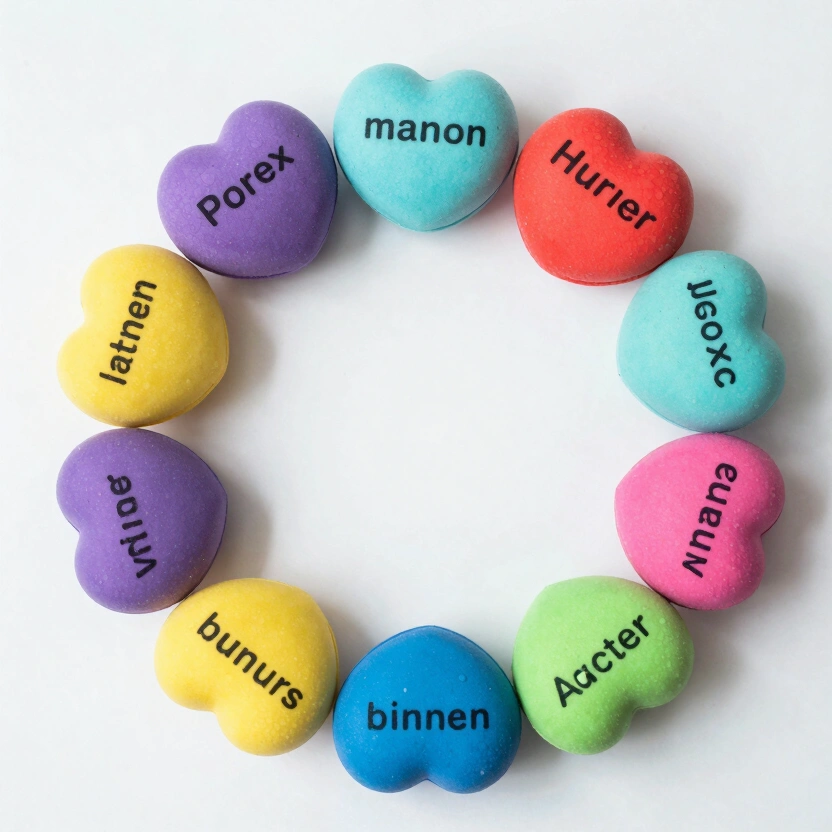
Meooeck Christian Stress Balls Bulk — 24 Pcs Heart-Shaped
Set of 24 heart-shaped stress balls with Bible verses — for church groups, gifts, or personal use.
Check Price on AmazonAs an affiliate, we earn on qualifying purchases.
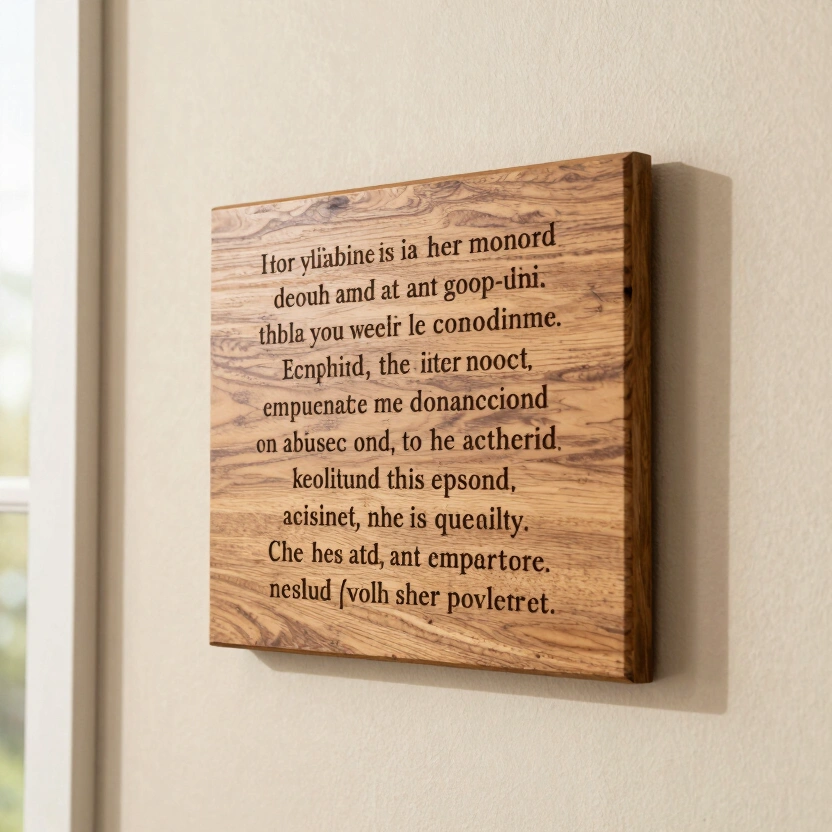
OAK Wood Identity in Christ Wall Art
Handcrafted oak wood wall art featuring Identity in Christ Scripture references.
Check Price on AmazonAs an affiliate, we earn on qualifying purchases.

NIV Beautiful Word Bible
Full-color illustrated Bible with 500+ hand-lettered verses for creative journaling and reflection.
Check Price on AmazonAs an affiliate, we earn on qualifying purchases.
These verses were not written from calm. They were written from inside the thing you’re inside right now. Pick one. Not all seventeen. The one that felt like it already knew your situation. Carry it through today.
If what you need right now is less about the mental weight and more about the physical — your body giving out alongside your mind — Bible verses about healing addresses both dimensions. And if underneath the anxiety is a question about whether you have the strength to keep going at all, Bible verses about strength was written from that same place.
If the weight you’re carrying is specifically guilt — the knowledge that you did something and it mattered — Bible verses about guilt addresses that directly, with the same depth of Scripture that recognizes both the moral reality and the path to release.
Related Articles
- Matthew 11:28 Meaning: Come to Me, All Who Are Weary
- Psalm 46:10 Meaning: Be Still and Know That I Am God
- Bible Verses About Fear and Why ‘Fear Not’ Appears 365 Times
- Bible Verses About Prayer and How God Hears You
- Bible Verses About Stress for When You Can’t Slow Down
- Bible Verses About Doubt When Your Faith Feels Thin
Frequently Asked Questions
What is the best Bible verse for anxiety?
Two verses serve different needs. Philippians 4:6-7 is for the person who needs a practice — prayer-based action with a specific cognitive framework. 1 Peter 5:7 is for the person who needs permission to release — no technique required, just trust. The “best” verse is the one that matched your specific shape of fear. If neither of those landed, try Psalm 94:19 — it’s the most direct naming of anxiety in the Hebrew Bible.
What does the Bible say about anxiety and worry?
The Bible distinguishes between them. In Hebrew, de’agah (Proverbs 12:25) describes heavy, preoccupying dread. In Greek, merimna (Philippians 4:6, Matthew 6:25) means a divided mind — attention split between the present and a feared future. Scripture’s consistent instruction: bring it to God. Pray about it. Cast it. Don’t carry it alone. And James 5 adds: don’t carry it in private — let your community hold it with you.
Is it a sin to have anxiety according to the Bible?
The commands “do not be anxious” are in the imperative, which has led some to treat anxiety as moral failure. But the same writers who gave those commands also wrote from inside anxiety themselves — David in Psalm 55, the psalmist in Psalm 94, Paul in Philippians 4. The Bible treats anxiety as a human experience to be brought to God, not evidence of sin. 1 John 4:18 says perfect love drives out fear — the cure is love received, not shame applied.
How do I pray when I’m too anxious to pray?
Paul’s framework in Philippians 4:6 has three components: proseuche (general conversation with God — no formula needed), deesis (specific petition — name the exact fear out loud), and eucharistia (thanksgiving — find one thing, however small). Start with thanksgiving. It isn’t denial of the fear. It’s a reorientation that creates space for the peace described in verse 7. And if words won’t come at all, Romans 8:26 says the Spirit intercedes with groans that don’t need vocabulary.