
Bible Verses About Self-Worth: How God Sees You
What God actually says about your worth — not the greeting-card version. Bible verses about self-worth with full context, the Hebrew and Greek behind them, and how to carry them into the days when you don't believe it.
Contents
You can quote John 3:16 and still hate your reflection. You can know, intellectually, that God loves you and still feel like the least important person in every room you enter. The gap between “God says I have worth” and actually believing it on a Tuesday morning when your inner voice is listing everything wrong with you — that gap is where most people live. It’s not a gap of knowledge. It’s a gap of felt experience.
These bible verses about self-worth won’t close that gap overnight. What they might do — what they’ve done for me in seasons when I couldn’t look at myself without flinching — is introduce a competing narrative. The voice in your head that says you’re not enough is running on repetition. It plays the same track, day after day. These verses are a different track. Not louder. Just truer.
If you’re also wrestling with depression alongside the self-worth struggle, bible verses about depression speaks directly to that weight.
The Gap Between “God Loves Me” and Actually Believing It
Before the verses, this needs to be named: the struggle with self-worth is not a faith failure. It’s often tied to depression, past abuse, loneliness, relentless comparison culture, or simply growing up in an environment where your value was conditional. Hearing “God loves you” in church doesn’t automatically overwrite twenty years of evidence that said otherwise.
The Hebrew concept of yada — to know deeply, experientially, intimately — helps explain why. Yada is the knowing of relationship, not textbooks. It’s the difference between knowing water is H₂O and knowing the feeling of rain on your face. Most people who struggle with self-worth know the verses. They don’t yada them yet. And that’s not failure. That’s a process.
Scripture doesn’t just tell you that you have worth. It shows the evidence — in creation, in redemption, in the name God calls you. That’s different from a motivational poster.

Ephesians 2:10 — You Are God’s Masterpiece
“For we are God’s handiwork, created in Christ Jesus to do good works, which God prepared in advance for us to do.” — Ephesians 2:10 (NIV)
Paul wrote Ephesians while imprisoned in Rome, around 60-62 AD. Chained to a Roman guard. Awaiting a trial that could end in his execution. This wasn’t theoretical theology from a comfortable desk. It was a letter dictated in chains by a man who still looked at human beings and saw God’s creative work.
The Greek word translated “handiwork” or “workmanship” is poiema (ποίημα) — the root of the English word poem. Paul isn’t calling you a factory product. He’s calling you a work of art, crafted with intention and skill. The word appears only twice in the New Testament — here and in Romans 1:20, where it describes creation itself. You’re in the same category as the universe. That’s Paul’s claim.
Ephesus was home to the Temple of Artemis — one of the Seven Wonders of the ancient world. In a city built around a magnificent human-made structure, Paul makes a theological counter-claim: God’s greatest creative work isn’t a building. It’s you.
The verse doesn’t stop at “masterpiece.” It continues — “created in Christ Jesus to do good works, which God prepared in advance for us to do.” Worth here isn’t just what you are. It’s connected to what you were made for. That’s not pressure. That’s purpose. The works were prepared in advance, not by you. You don’t have to generate your own significance. It was built in before you arrived.
Psalm 139:14 — Fearfully and Wonderfully Made
“I praise you because I am fearfully and wonderfully made; your works are wonderful, I know that full well.” — Psalm 139:14 (NIV)
David wrote Psalm 139 — a meditation on being completely known by God. Known when he sits down, when he rises. Known before words form on his tongue. The psalm isn’t about surveillance. It’s about intimate attention. The God David describes is not watching from a distance. He’s woven into the fabric of David’s existence.
“Wonderfully made” comes from the Hebrew root pala — the same word used to describe God parting the Red Sea. The same word for miracles. The verse is placing your existence in that category. Not ordinary. Not accidental. Remarkable in the way that a miracle is remarkable.
“Fearfully” — yare — modern English makes this sound like something to be afraid of. The Hebrew is closer to awe-inspiring. You were made in a way that invokes reverence. That’s the word David chose.
Here’s the thing I’ve sat with for a long time: Psalm 139 doesn’t ask you to perform positivity. David himself, the author, dealt with depression, guilt over adultery and murder, seasons of hiding in caves. Verse 19 shows David in anguish. The psalm holds space for the full range. When you can’t see yourself as “wonderfully made,” that’s not contradicting the verse. That’s expressing grief. The Bible holds both.
Isaiah 43:1 — God Calls You by Name
“Do not fear, for I have redeemed you; I have summoned you by name; you are mine.” — Isaiah 43:1 (NIV)
Isaiah 43 was spoken to Israel in exile — a people who had lost everything. Their temple: destroyed. Their city: rubble. Their national identity: gone. This verse is not addressed to people on a good day. It’s addressed to people at rock bottom who had every reason to believe God had forgotten them.
“I have summoned you by name” — in the ancient Near East, knowing someone’s name was a sign of deep relationship and belonging. Not possession in the controlling sense. Belonging in the intimate sense. God isn’t saying “I know you exist.” He’s saying “I know you — specifically, personally, irreplaceably.”
The “do not fear” pattern appears throughout the Bible — dozens of times. God seems to understand that fear, including the fear that we’re not enough, is the human default. Isaiah 43:1 addresses that default directly. And the verse doesn’t say “you are mine if you get it together.” There’s no conditional clause. For anyone whose sense of worth depends on performance, approval, or getting everything right — this is the direct counter-argument. Worth precedes performance. It’s declared, not earned.
If Isaiah speaks to the hope buried under your present season, bible verses about hope gathers those passages together.
Keep These Words Close
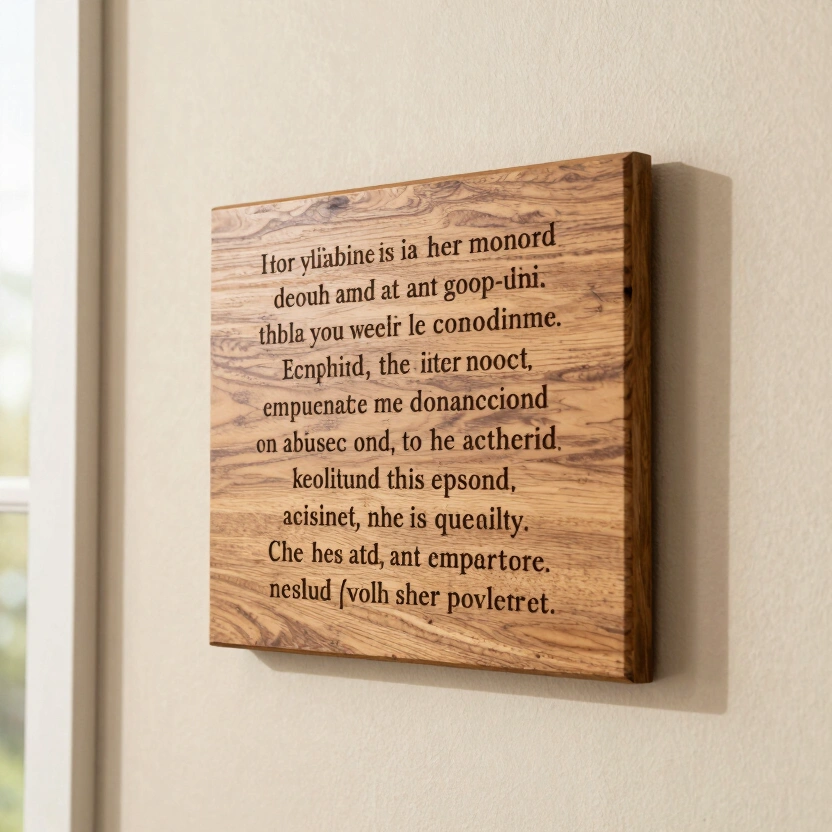
OAK Wood Identity in Christ Wall Art
Handcrafted oak wood wall art featuring Identity in Christ Scripture references.
Check Price on AmazonAs an affiliate, we earn on qualifying purchases.
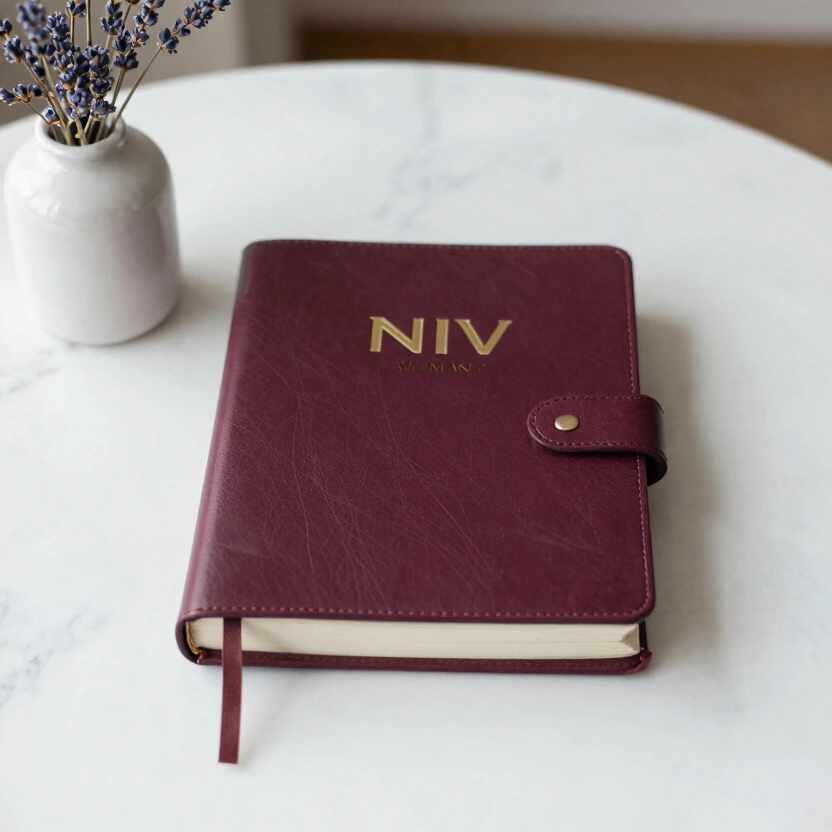
NIV The Woman's Study Bible
Study Bible designed for women with character profiles, topical articles, and devotional insights.
Check Price on AmazonAs an affiliate, we earn on qualifying purchases.

XKDOUS Bible Verses Jar Kit — 270 Selected Verses
Jar with 270 hand-selected Bible verses for daily encouragement — ideal as a Christian graduation or friendship gift.
Check Price on AmazonAs an affiliate, we earn on qualifying purchases.
Genesis 1:27 — Made in God’s Image
“So God created mankind in his own image, in the image of God he created them; male and female he created them.” — Genesis 1:27 (NIV)
Imago Dei — the image of God. This is the foundational identity claim of the entire Bible. Before sin, before failure, before any achievement or any mistake, the first thing Scripture says about human beings is: made in the image of God.
In the ancient Near East, the phrase “image of a god” was used almost exclusively for kings. Statues — tselem — were placed in temples or throughout a king’s territory to represent his rule and authority. Genesis 1:27 democratizes this concept completely: every human being carries that status. Not just royalty. Not just the successful or the beautiful or the productive. Everyone.
C.S. Lewis made this observation in Mere Christianity: “There are no ordinary people. You have never talked to a mere mortal.” Lewis was building on Genesis 1:27 — the claim that every person you pass on the street carries the image of God. If that’s true, then the person in your mirror does too.
The order matters. Genesis 1:27 is the first thing God says about human nature. Your worth isn’t something you earn later. It’s the premise you start with.

More Bible Verses About Self-Worth to Carry With You
Romans 5:8 — “But God demonstrates his own love for us in this: While we were still sinners, Christ died for us.” Worth that didn’t wait for you to earn it. The “while we were still sinners” clause is the point — the sacrifice happened before any improvement on your part. That’s the economics of grace.
1 Peter 2:9 — “But you are a chosen people, a royal priesthood, a holy nation, God’s special possession.” Four identity markers in one sentence. Chosen. Royal. Holy. God’s own. The language is of calling, not earning. Peter writes to scattered, persecuted believers — people the empire considered worthless.
Zephaniah 3:17 — “The Lord your God is with you, the Mighty Warrior who saves. He will take great delight in you; in his love he will no longer rebuke you, but will rejoice over you with singing.” God’s posture toward you is delight. He sings over you. For anyone who has only experienced God as Judge or Taskmaster, this verse rewrites the image.
Luke 12:7 — “Indeed, the very hairs of your head are all numbered. Don’t be afraid; you are worth more than many sparrows.” Jesus, on the specificity of God’s attention to an individual life. Not humanity in general. You in particular. The number of hairs on your head. That level of detail.
Jeremiah 1:5 — “Before I formed you in the womb I knew you, before you were born I set you apart.” Worth that pre-exists birth, performance, achievement. Before you could do anything right or wrong, God already knew you and had a purpose for your life.
Letting These Verses Change How You Actually See Yourself
I’ll be honest: I’ve read every verse on this page dozens of times. They haven’t always felt true. Some mornings the inner voice is louder than any psalm. What I’ve learned is that reading these verses once doesn’t change the internal narrative. Repetition does. Intentionality does. Not because the verses are magic spells — because the voice that says “you’re not enough” has been running on repetition too, unchallenged, for years.
Three things that have actually helped:
Write one verse somewhere you’ll see it every morning. Not as decoration. As interruption. The inner critic shows up before your feet hit the floor. One verse, seen repeatedly, is how you begin to interrupt that loop.
Read the verse in context. Every verse in this article is even deeper when you read the five verses before and after it. Try it with Psalm 139. Read the whole thing. It changes how verse 14 lands.
Say it out loud, once. Not a performance. Just once. There is something different about speaking words rather than reading them silently — every culture in the ancient world knew this. The Psalms were meant to be spoken, not just read.
If the loneliness that often travels with self-doubt is part of what you’re carrying, bible verses about loneliness addresses that specific weight. And for the broader landscape of what Scripture says when hope feels thin, bible verses about hope gathers those passages.
Related Articles
Frequently Asked Questions
What does God say about your worth in the Bible?
Genesis 1:27 establishes the foundation: every human being is made in the image of God — imago Dei — a status that in the ancient world was reserved exclusively for kings. Ephesians 2:10 calls you God’s poiema — his poem, his masterpiece, his creative work. Romans 5:8 demonstrates the value God places on you through action: Christ died while you were still a sinner, before any improvement on your part. The biblical case for human worth does not rest on performance. It rests on origin and on what God was willing to pay.
What Bible verse is about knowing your worth?
Psalm 139:14 — “I am fearfully and wonderfully made” — is the most directly relevant. The Hebrew pala (wonderfully) is the same word used for miracles. David places his own existence in the category of the miraculous. The verse sits inside a psalm about being fully known by God — known before words form on your tongue, known in the womb, known in the dark. Self-worth in Psalm 139 is grounded in the thoroughness of God’s attention.
What does the Bible say about identity in Christ?
Ephesians 2:10 is the anchor — you are God’s handiwork, his poiema, created for works he prepared in advance. 1 Peter 2:9 adds four identity markers: chosen, royal, holy, God’s possession. Romans 8:16-17 calls believers “children of God” and “co-heirs with Christ.” The consistent New Testament message is that identity in Christ is received, not achieved. It comes through relationship, not résumé.
Can Bible verses really help with low self-esteem?
Honestly: verses don’t replace therapy, and anyone dealing with clinical depression or trauma should seek professional help alongside spiritual resources. But Scripture offers something specific — a competing narrative. The internal voice saying “you’re not enough” runs on repetition. These verses, engaged with regularly — read, spoken, written down, returned to — introduce a different story. Not a louder story. A truer one. The change is usually gradual, not instant. But the shift, over time, is real.
Related Articles

Bible Verses About Fear and Why 'Fear Not' Appears 365 Times
The most important Bible verses about fear — with the Hebrew and Greek behind 'fear not,' the historical context most people miss, and why the Bible treats fear as something to walk through, not erase.

Bible Verses for Father's Day That Honor What Dads Do
The best Bible verses for Father's Day — not generic quotes but verses that speak to what fathers actually do: protect, guide, discipline with love, and show up. With the story behind each one.

Bible Verses About Trust When Everything Feels Uncertain
These bible verses about trust were written by people who had real reasons not to trust — exiles, prisoners, kings running for their lives. Here's the history and language behind each one.