
Bible Verses About Anger: 14 Scriptures for Finding Self-Control
14 bible verses about anger with the history and original language — from people who understood the fire and learned how to keep it from burning everything down.
Contents
The Bible doesn’t say anger is a sin. That surprises people. Ephesians 4:26 says “in your anger do not sin” — which separates the emotion from the action and treats them as two different things. Jesus was angry. God is described as angry. Moses was angry. The prophets were furious. Anger runs through Scripture from Genesis to Revelation, and not all of it is condemned. Some of it is praised.
What the Bible condemns isn’t the fire. It’s letting the fire burn uncontrolled — the word that destroys a relationship, the violence that solves nothing, the slow simmer that corrodes you from the inside. These bible verses about anger aren’t about suppressing what you feel. They’re about what you do with it.
What the Bible Says About Righteous Anger
Ephesians 4:26-27
"‘In your anger do not sin’: Do not let the sun go down while you are still angry, and do not give the devil a foothold."
Paul quoting Psalm 4:4 and adding a deadline. The assumption: you will get angry. The instruction: don’t sin inside it, and don’t carry it past today. “Foothold” — topos — means a place, a territory. Unresolved anger gives something destructive a piece of real estate in your mind. The verse doesn’t say “don’t be angry.” It says “be angry briefly, deal with it, and close the account before dark.”
Mark 3:5
“He looked around at them in anger and, deeply distressed at their stubborn hearts, said to the man, ‘Stretch out your hand.’”
Jesus — angry in the synagogue. The religious leaders cared more about Sabbath rules than about a man’s withered hand. Jesus’ anger was tied to compassion: sunlupeo — “deeply distressed” — means co-suffering, shared grief. His anger wasn’t personal offense. It was grief at injustice. And then he healed the man. His anger didn’t paralyze him. It motivated correct action. That’s the model Scripture holds up.
Proverbs on Anger — The Wisdom Tradition
Proverbs 29:11
“Fools give full vent to their rage, but the wise bring calm in the end.”
Solomon’s observation: the difference between a fool and a wise person isn’t whether they feel anger. It’s what they do with it. “Full vent” — ruach — literally means to release spirit, to let everything out. The wise hold. They bring sheqet — calm, quiet — in the end. Not by suppressing. By timing. By choosing when and how to speak.
Proverbs 15:1
“A gentle answer turns away wrath, but a harsh word stirs up anger.”
The most practical anger-management verse in the Bible. Rak — “gentle” — means soft, tender. Etsev — “harsh” — means painful, hurtful. Solomon isn’t moralizing. He’s describing physics. Soft response de-escalates. Sharp response ignites. The verse is diagnostic: if anger keeps escalating in your relationships, check the tone of your responses first.
Proverbs 14:29
“Whoever is patient has great understanding, but one who is quick-tempered displays folly.”
“Patient” — erekh appayim — literally means “long of nostrils.” The Hebrew image for patience is slow breathing. A person who controls their anger breathes slowly, deliberately. “Quick-tempered” — qetsar ruach — means “short of spirit.” The fool’s problem isn’t that they feel anger. It’s that the gap between feeling and acting is too short. Wisdom extends that gap.
Proverbs 16:32
“Better a patient person than a warrior, one with self-control than one who takes a city.”
Solomon ranking self-control above military conquest. Moshel berucho — “ruler of his spirit” — describes mastery over inner impulses. Taking a city requires external power. Ruling yourself requires internal authority. And Solomon, who had armies, says the internal victory is harder and more valuable. For how patience and anger relate in Scripture, that article goes further.
Recommended Resources
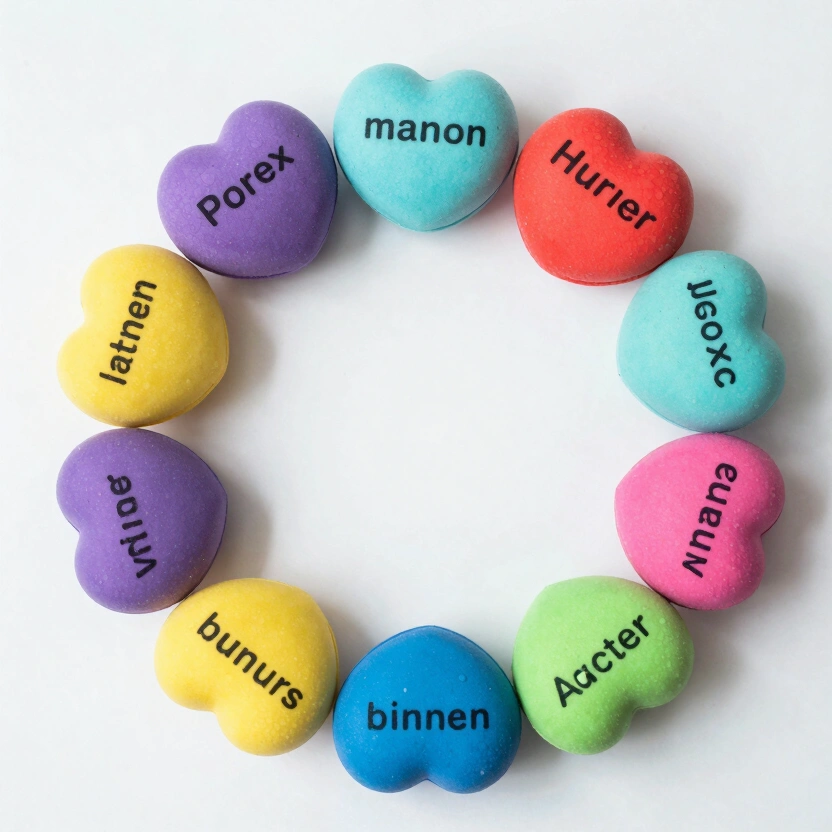
Meooeck Christian Stress Balls Bulk — 24 Pcs Heart-Shaped
Set of 24 heart-shaped stress balls with Bible verses — for church groups, gifts, or personal use.
Check Price on AmazonAs an affiliate, we earn on qualifying purchases.
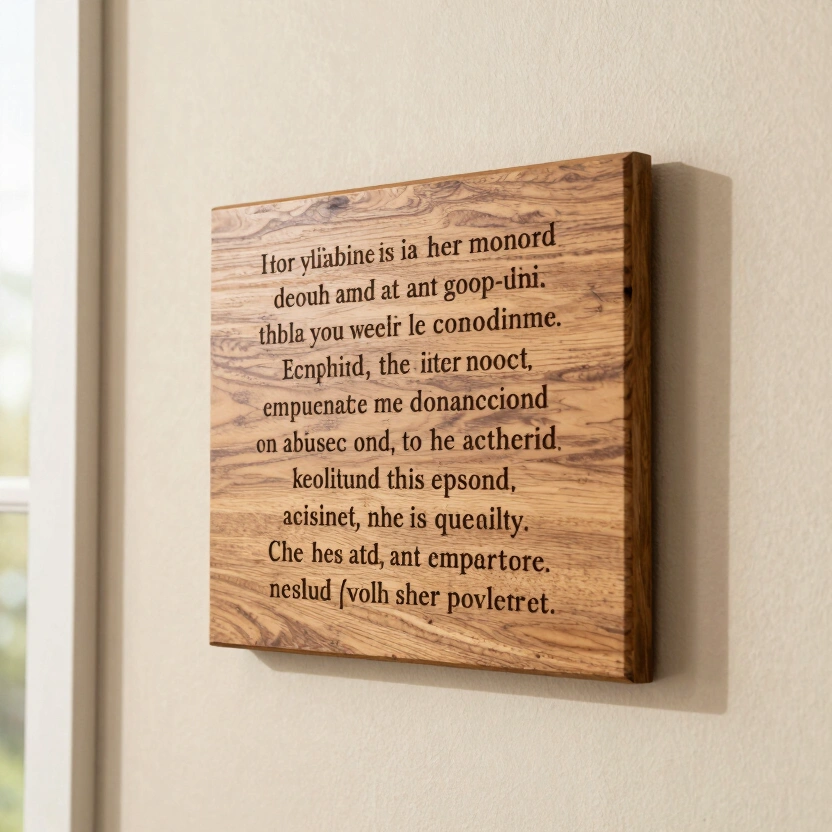
OAK Wood Identity in Christ Wall Art
Handcrafted oak wood wall art featuring Identity in Christ Scripture references.
Check Price on AmazonAs an affiliate, we earn on qualifying purchases.

NIV Beautiful Word Bible
Full-color illustrated Bible with 500+ hand-lettered verses for creative journaling and reflection.
Check Price on AmazonAs an affiliate, we earn on qualifying purchases.

James on Anger
James 1:19-20
“My dear brothers and sisters, take note of this: Everyone should be quick to listen, slow to speak and slow to become angry, because human anger does not produce the righteousness that God desires.”
James’ formula: quick to listen, slow to speak, slow to anger. Three speeds, in that order. The sequence matters — listening comes before speaking, and both come before anger. “Does not produce” — ergazetai — is a work verb. James isn’t saying anger is morally wrong. He’s saying it doesn’t accomplish what you think it will. It feels productive. It isn’t.
James 4:1-2
“What causes fights and quarrels among you? Don’t they come from your desires that battle within you? You desire but do not have, so you kill. You covet but you cannot get what you want, so you quarrel and fight.”
James locating the source: anger is almost always about unmet desire. Something you wanted — respect, control, fairness, attention — and didn’t get. The external explosion is a symptom of internal deprivation. James’ diagnosis forces you to look underneath the anger: not “what made me mad?” but “what did I want that I didn’t receive?”
When Anger Won’t Let Go
Psalm 37:8
“Refrain from anger and turn from wrath; do not fret — it leads only to evil.”
David’s imperative: refrain. The Hebrew haraph means to let go, to drop. Anger you refuse to release becomes something different — it curdles into bitterness, resentment, and eventually destructive action. David says it “leads only to evil” — akh lehareia — the only is emphatic. Held anger has one destination. There’s no version of chronic rage that ends well.
Colossians 3:8
“But now you must also rid yourselves of all such things as these: anger, rage, malice, slander, and filthy language from your lips.”
Paul listing anger alongside slander and malice — not because feeling angry is sinful, but because chronic anger (orge, sustained hostility) belongs in the same category as intentional harm. The word “rid” — apotithemi — means to take off like clothing. You were wearing this. Now take it off. The image is deliberate removal, not gradual fading. You decide to stop wearing it.
Ecclesiastes 7:9
“Do not be quickly provoked in your spirit, for anger resides in the lap of fools.”
The Teacher — Solomon or his literary heir — using a spatial metaphor. Anger “resides” — nuach — means to rest, settle, make a home. In the wise person, anger visits. In the fool, it moves in. The distinction between visiting anger (which is human) and resident anger (which is destructive) runs through the entire Bible.
Matthew 5:22
“But I tell you that anyone who is angry with a brother or sister will be subject to judgment. Again, anyone who says to a brother or sister, ‘Raca,’ is answerable to the court.”
Jesus in the Sermon on the Mount, treating anger with the same gravity as murder — because anger is where murder begins. “Raca” — an Aramaic insult meaning “worthless” or “empty-headed” — is the kind of contempt that dehumanizes. Jesus isn’t criminalizing the emotion. He’s criminalizing the contempt — the point where anger stops seeing the other person as human.
Anger in the Bible has two forms: the kind that sees injustice and acts to correct it (Jesus in the temple, prophets confronting kings), and the kind that sees offense and acts to destroy (Cain, Saul hunting David, the mob that stoned Stephen). The verses above don’t tell you to stop feeling. They tell you to choose which form your anger takes — and to keep the gap between feeling and acting wide enough for wisdom to enter.
If anger and anxiety are traveling together for you — both driven by the same threat response — Bible verses for anxiety addresses the other side of that coin. And if the anger is tied to something someone did to you that you can’t release, Bible verses about forgiveness speaks to the specific act of letting go.

Frequently Asked Questions
Is anger a sin according to the Bible?
Anger itself is not a sin. Ephesians 4:26 says “in your anger do not sin” — separating the emotion from the action. Jesus was angry (Mark 3:5), and God is described as angry throughout the Old Testament. What Scripture condemns is unchecked anger (James 1:20), chronic anger (Ecclesiastes 7:9), and anger that leads to contempt or violence (Matthew 5:22).
What does the Bible say about controlling anger?
Proverbs provides the most practical guidance: “A gentle answer turns away wrath” (15:1), “Better a patient person than a warrior” (16:32), and “The wise bring calm in the end” (29:11). James 1:19 gives the formula: be quick to listen, slow to speak, slow to become angry. The biblical model isn’t anger suppression. It’s extending the gap between feeling and acting so wisdom can enter the space.
How do I let go of anger biblically?
Three approaches from Scripture: (1) Set a deadline — “do not let the sun go down while you are still angry” (Ephesians 4:26). (2) Remove it deliberately — “rid yourselves of anger” (Colossians 3:8), described as taking off clothing. (3) Look underneath — James 4:1-2 says anger usually comes from unmet desire. Identify what you wanted but didn’t get, and bring that specific thing to God in prayer.
Related Articles

Bible Verses About Wisdom: 14 Scriptures for Life's Hardest Decisions
14 bible verses about wisdom with the history and original language — from a king who asked for it, a father who taught it, and a God who gives it without conditions.

Bible Verses About Patience: 14 Scriptures for the Wait
14 bible verses about patience with the history and original language — from people who waited years, decades, and lifetimes and didn't quit.

Bible Verses About Trust When Everything Feels Uncertain
These bible verses about trust were written by people who had real reasons not to trust — exiles, prisoners, kings running for their lives. Here's the history and language behind each one.