
Jeremiah 29:11 Meaning: What 'Plans to Prosper You' Really Says
Jeremiah 29:11 is the second most searched verse in the Bible. Here's what it meant when it was written, what the original Hebrew says, and why the context makes it better.
Contents
“For I know the plans I have for you,” declares the Lord, “plans to prosper you and not to harm you, plans to give you hope and a future.”
This verse is on more graduation cards, wall art, and Instagram posts than almost any other Scripture. Bible Gateway reports it as the second most searched verse in the Bible year after year, behind only John 3:16. People reach for it when they need reassurance — new job, new city, new diagnosis, new fear. And the words deliver. They sound like a personal promise from God that everything will work out.
The context makes the promise even better. But it makes it different than most people think.
Who Was Jeremiah Writing To?
Jeremiah didn’t speak this verse to an individual. He wrote it in a letter — an actual letter, delivered across hundreds of miles — to the Israelite exiles in Babylon. These were people who had been carried away from their homeland by force in 597 BCE. Their city was damaged, their temple’s treasures looted, their king imprisoned. The best and brightest of Judah — craftsmen, officials, soldiers — dragged to a foreign empire.
And they were being told by false prophets that the exile would end quickly. “Two years,” some of them claimed (Jeremiah 28:3). Just hold on. God will rescue you any day now.
Jeremiah’s letter said the opposite.
What the Full Passage Actually Says
Most people quote verse 11 alone. The letter starts at verse 4. Here’s what comes before:
“Build houses and settle down; plant gardens and eat what they produce. Marry and have sons and daughters; find wives for your sons and give your daughters in marriage… Seek the peace and prosperity of the city to which I have carried you into exile.” — Jeremiah 29:5-7
God told the exiles to settle in. Build houses. Plant gardens. Get married. Have children. Invest in the city that conquered you. This isn’t a rescue plan. It’s a seventy-year strategy.
And then verse 10:
“When seventy years are completed for Babylon, I will come to you and fulfill my good promise to bring you back to this place.” — Jeremiah 29:10
Seventy years. The people who received this letter would mostly be dead before the promise materialized. The “plans to prosper you” in verse 11 aren’t about next month. They’re about a timeline that requires generational patience.

The Hebrew Behind the Words
“Plans” — machashavot — thoughts, intentions, designs. The word implies deliberate, strategic thinking. Not vague goodwill. Calculated purpose.
“Prosper” — shalom — and here’s where the common reading breaks. The Hebrew doesn’t say “prosper” in the financial sense. It says shalom — peace, wholeness, completeness, nothing broken. The NIV’s “prosper” is a translation choice. The ESV renders it differently: “plans for welfare and not for evil.” The NASB says “plans for well-being.” The word shalom is bigger than prosperity. It’s the full restoration of everything that was broken.
“Hope” — tiqvah — literally a cord, a rope. Something you hold onto. The hope Jeremiah describes isn’t a feeling. It’s an anchor — physical, tangible, something with tension in it.
“Future” — acharit — the end, the latter part, the outcome. Not “the future” as in “tomorrow.” The ultimate destination. The word implies finality — where the whole story is heading. God isn’t promising a good week. He’s promising that the endpoint of the entire trajectory is good.
What Most People Get Wrong
It’s Not a Personal Promise About Your Career
Jeremiah 29:11 was written to a nation in exile, not to an individual choosing between job offers. The “you” in Hebrew is plural — lachem, for you all. This is a corporate promise to a displaced people, not an individual guarantee of personal success.
That doesn’t mean it’s irrelevant to individuals. But the application changes: God has a trajectory for his people — a direction, a purpose, an endpoint — and you’re part of that story. The comfort isn’t “everything in your life will work out exactly as you hope.” The comfort is “the story you’re part of has a good ending, even if you can’t see it from where you’re standing.”
The Promise Required Seventy Years of Waiting
The exiles who received this letter didn’t see the fulfillment. Their children did. Some of their grandchildren did. The “plans” God describes in verse 11 unfolded across multiple generations. For anyone clinging to this verse while waiting for something specific, that’s important: the promise is real, but the timeline isn’t yours to set.
The Verse Before It Contains the Hard Part
Verse 10 — “when seventy years are completed” — is the context verse 11 sits inside. The promise of hope and a future comes with a number attached. And that number was longer than most of the hearers’ remaining lifetimes. Jeremiah 29:11 is a hope verse. But it’s an honest hope verse. It doesn’t pretend the waiting is short.

Why This Makes the Verse Better
Here’s what most devotional readings of Jeremiah 29:11 miss: the context doesn’t weaken the promise. It strengthens it.
A God who says “everything will be fine tomorrow” is easy to believe and easy to disprove. A God who says “I have plans for your wholeness, and they will take longer than you want, and you need to build a life in the meantime, and the outcome is still guaranteed” — that’s a harder promise but a far more useful one.
The exiles who obeyed Jeremiah’s letter — who planted gardens and built houses and married in Babylon — those are the ones who survived. The ones who waited passively for a quick rescue burned out. God’s instruction to invest in the present while trusting the future is the most practical spiritual advice in the Old Testament.
For how this verse sits alongside the other most searched passages in the Bible, that article traces the pattern of why certain verses become famous. And if hope is what you specifically need right now, that collection gathers verses that address different forms of it.
Recommended Resources

NIV Study Bible, Fully Revised Edition, Hardcover
Comprehensive study Bible with over 20,000 notes, book introductions, and full-color maps.
Check Price on AmazonAs an affiliate, we earn on qualifying purchases.

ESV Study Bible, Large Print
Large-print ESV study Bible with 20,000+ notes, charts, and theological articles.
Check Price on AmazonAs an affiliate, we earn on qualifying purchases.
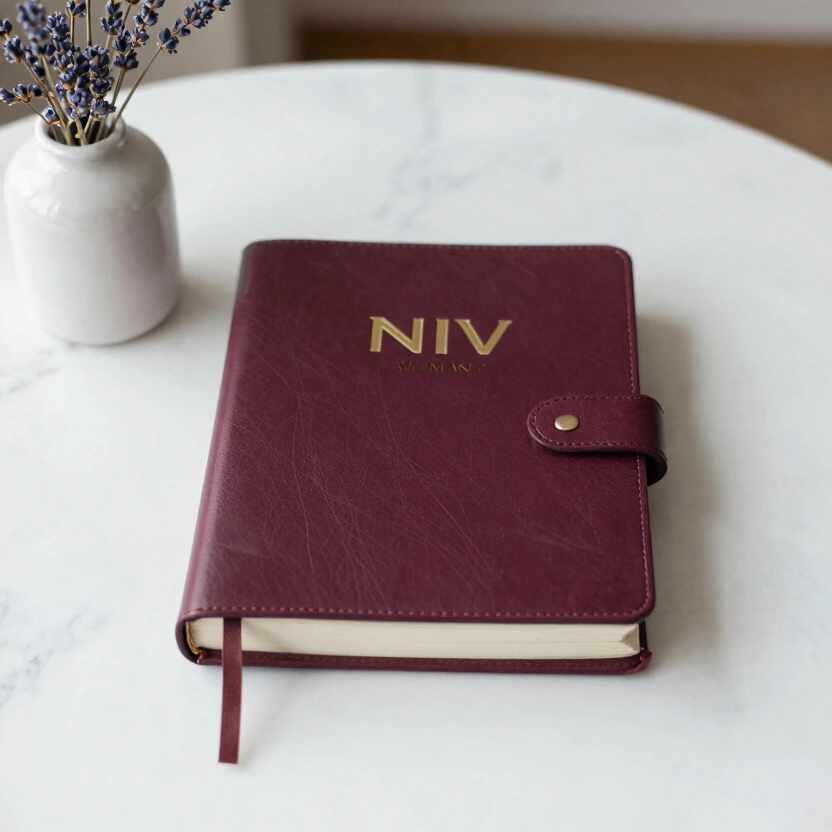
NIV The Woman's Study Bible
Study Bible designed for women with character profiles, topical articles, and devotional insights.
Check Price on AmazonAs an affiliate, we earn on qualifying purchases.
The Verse in Its Full Power
Read it again with the context loaded:
“For I know the plans I have for you,” declares the Lord, “plans for your wholeness and not for your harm, plans to give you something to hold onto and an endpoint that is good.”
That’s closer to the Hebrew. Not a vague blessing. A strategic declaration from a God who sees further than you do, who asks you to build in the present while he prepares the future, and who binds himself to the outcome with covenant language.
The verse belongs on your wall. It also belongs in its paragraph.
Frequently Asked Questions
What does Jeremiah 29:11 really mean?
Jeremiah 29:11 is God’s promise to the Israelite exiles in Babylon that despite their current suffering, he has a long-term plan for their restoration — shalom (wholeness), not harm. The promise was collective (addressed to the nation) and long-term (fulfilled seventy years later). It’s not a guarantee of individual personal success, but an assurance that God’s purposes for his people lead to wholeness, even when the path goes through exile first.
Is Jeremiah 29:11 taken out of context?
Often, yes. The verse is typically quoted as a personal promise (“God has a plan for your life”), but it was written to an exiled nation facing seventy years of displacement. The verses before it (29:5-7) instruct the exiles to settle down, build houses, and invest in their foreign city — not to expect immediate rescue. The context makes the promise more robust, not less: God’s plans include hard seasons and long timelines, but the endpoint is always restoration.
Why is Jeremiah 29:11 so popular?
Three reasons: it’s short enough to memorize, it addresses a universal human need (reassurance about the future), and it contains the word “plans” — which resonates with anyone anxious about direction. Bible Gateway has reported it as the second most searched verse year after year. Its popularity peaked in the early 2000s and hasn’t declined since. The verse became a cultural touchstone partly through graduation speeches and Christian merchandise.
What does “plans to prosper you” mean in Hebrew?
The Hebrew word translated “prosper” is shalom — which means wholeness, completeness, peace, well-being. Not financial prosperity. The NIV’s “prosper” is a translation choice that narrows the meaning. Other translations render it as “welfare” (ESV), “well-being” (NASB), or “peace” (NKJV). The original language promises comprehensive restoration — physical, spiritual, relational, communal — not material wealth specifically.